Getting around Lille: metro, tram, bus and V'lille bikes
The ilévia network raised its fares on 1 August 2026, and half the guides online still show the old prices. Here are the fares that apply now, the right ticket for the length of your stay, and what the operator does not publish.
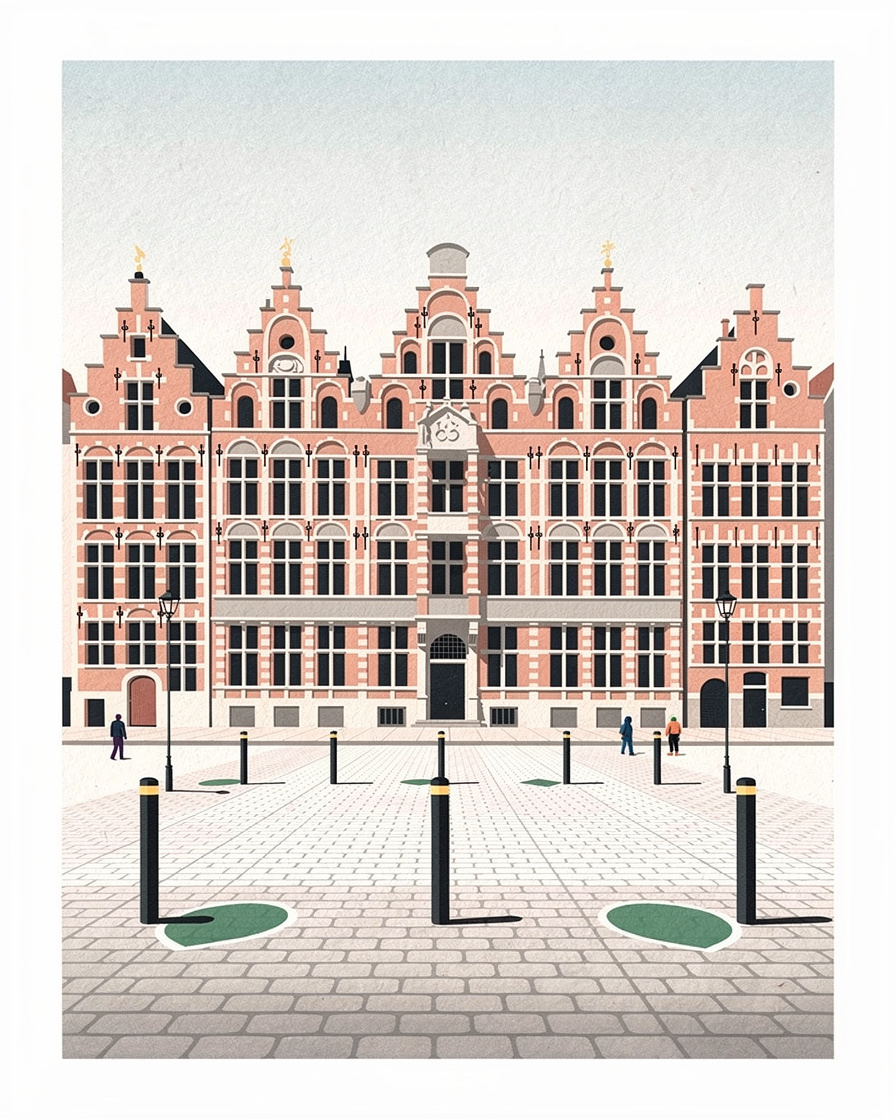
Lille's network combines two driverless metro lines, two tram lines to Roubaix and Tourcoing, a bus network whose main routes are called Lianes, and the V'lille bike share scheme. A single ticket covers the lot.
The difficulty is not the coverage but the fares: they changed on 1 August 2026 and a good share of the pages online still show the old ones. Here are the fares that apply.
How much does a journey cost in Lille in 2026?
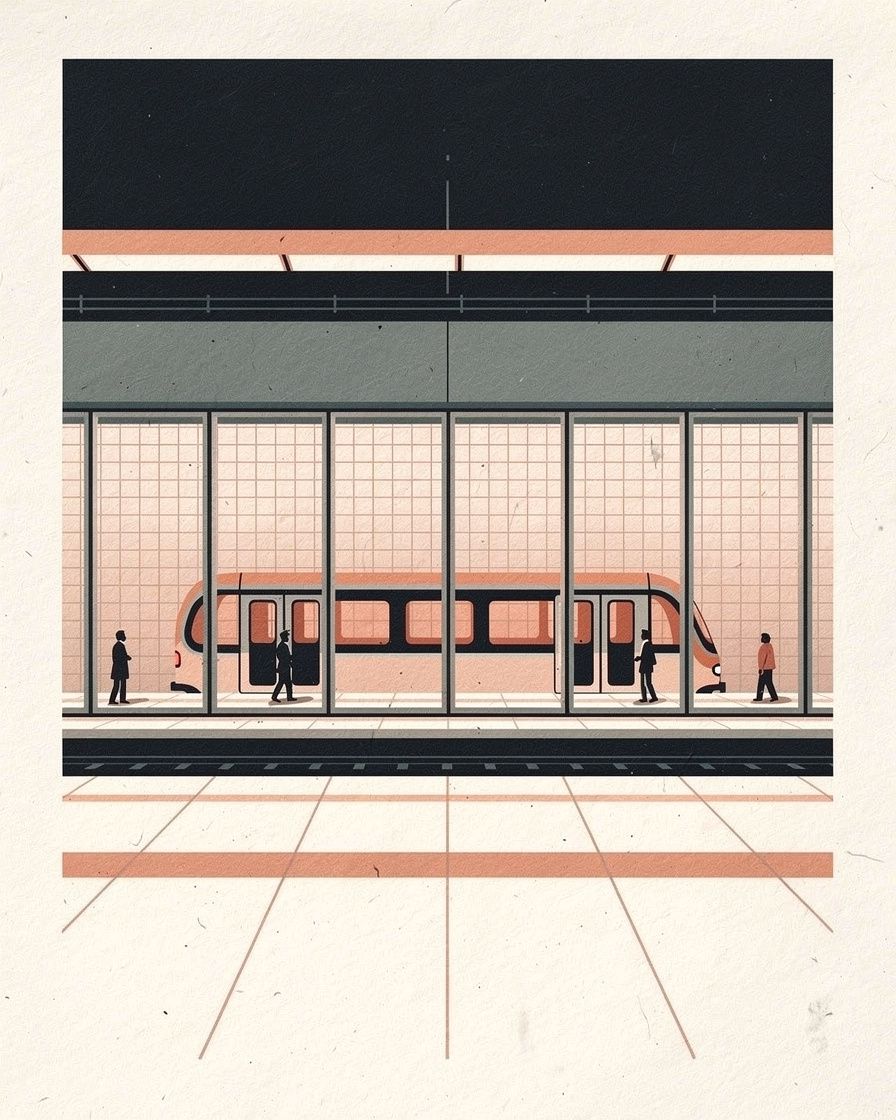
Photo: Floflo62, CC BY-SA 3.0, via Wikimedia Commons
| Ticket | Price | What it covers |
|---|---|---|
| Single journey | €1.90 | 1 hour, transfers included |
| Ticket bought by text message | €2.10 | same validity, a surcharge for convenience |
| ZAP trip | €1.20 | 3 stops at most |
| Pack of 10 journeys | €16.60 | €1.66 per trip, shareable |
| 1-day pass | €5.70 | unlimited travel for the day |
| Standard monthly pass | €67 | no commitment |
| Ongoing monthly pass | €58.50 | by direct debit |
The tipping point is simple: below three journeys a day, the 10-trip pack wins. Above that, or if you go as far as Roubaix and Villeneuve-d'Ascq on the same day, the 1-day pass takes the lead again.
Why do you still read €1.80 almost everywhere?
Because the increase is recent. A Lille guide published in spring 2026 still gives the single ticket at €1.80, the 10-trip pack at €15.80, the 1-day pass at €5.50 and the monthly pass at €65.
These pages are useful for dating the change, not for planning a budget. The habit worth keeping: a transport fare read online is only as good as its publication date.
How do the tram, the Lianes buses and V'lille work?
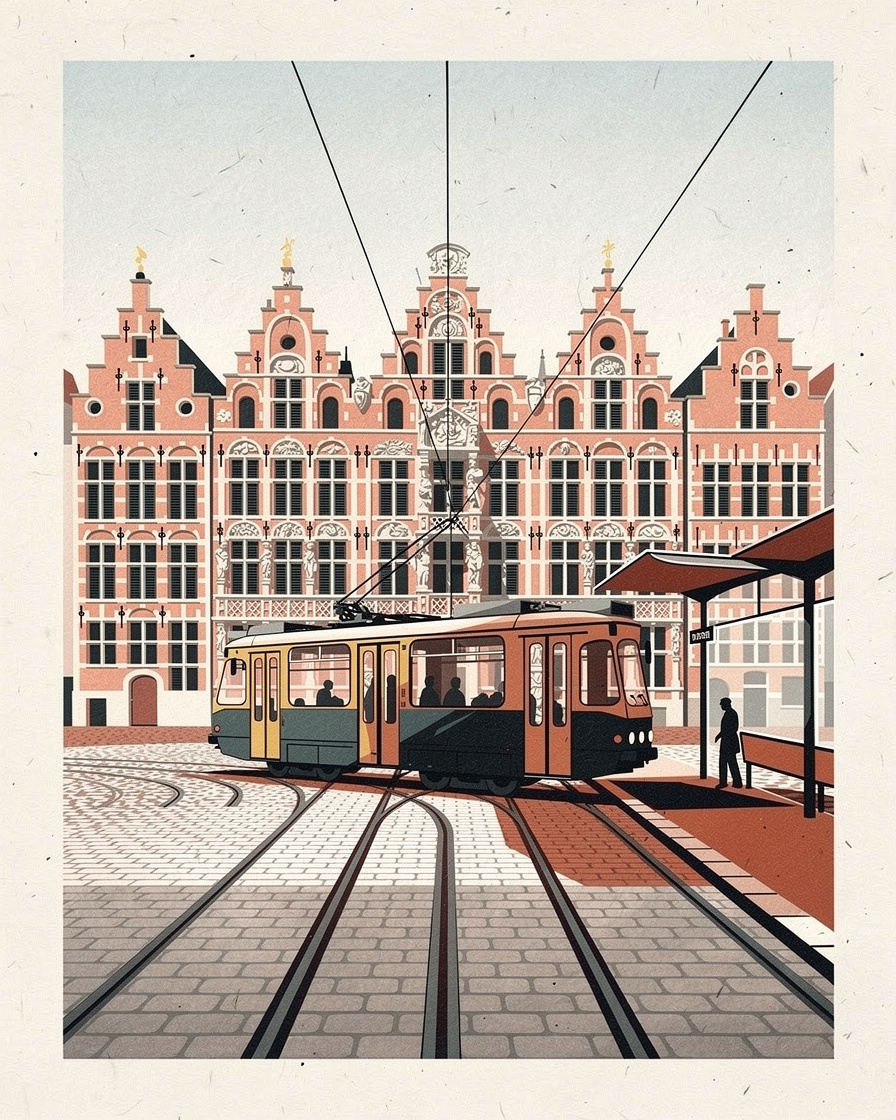
Photo: Smiley.toerist, CC BY-SA 3.0, via Wikimedia Commons
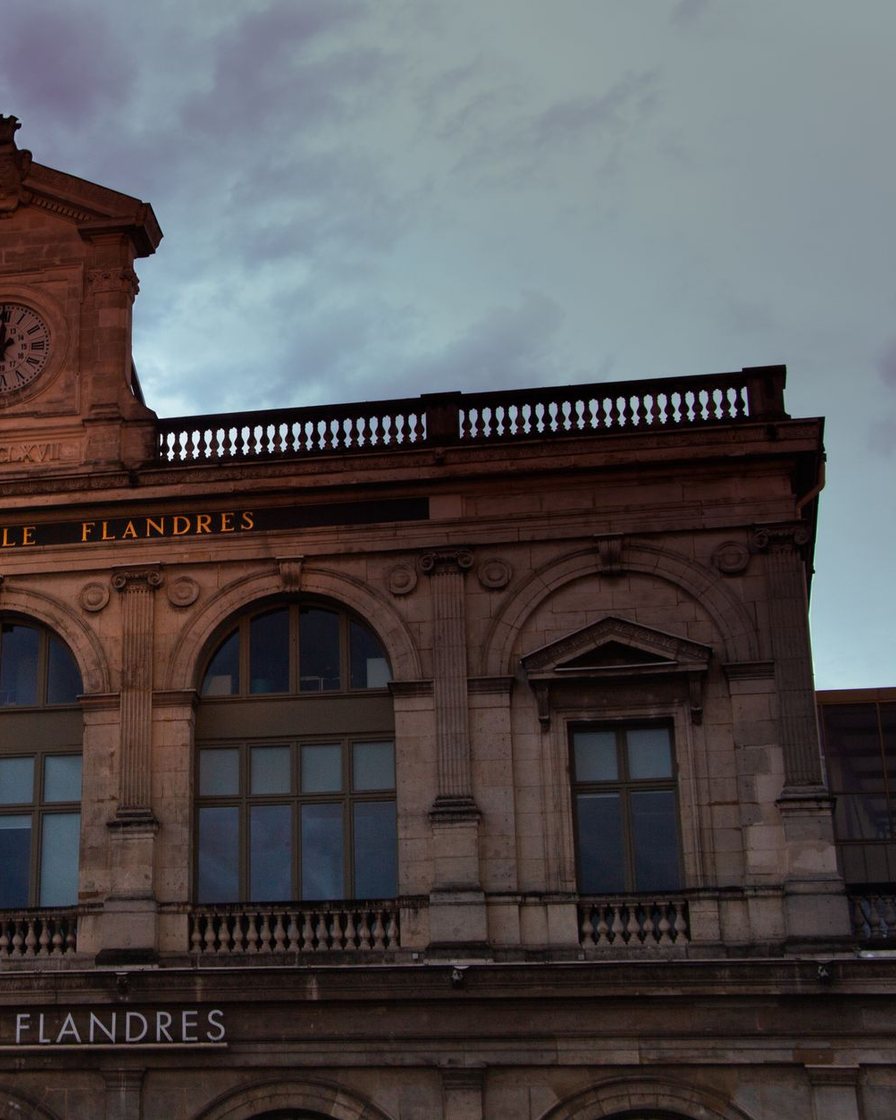
The tram links Lille to Roubaix and Tourcoing from Lille-Flandres station. The most frequent buses are the Lianes, including L1, L2, L5, L7 and the L90 family, and they are the ones that run the evening and night services.
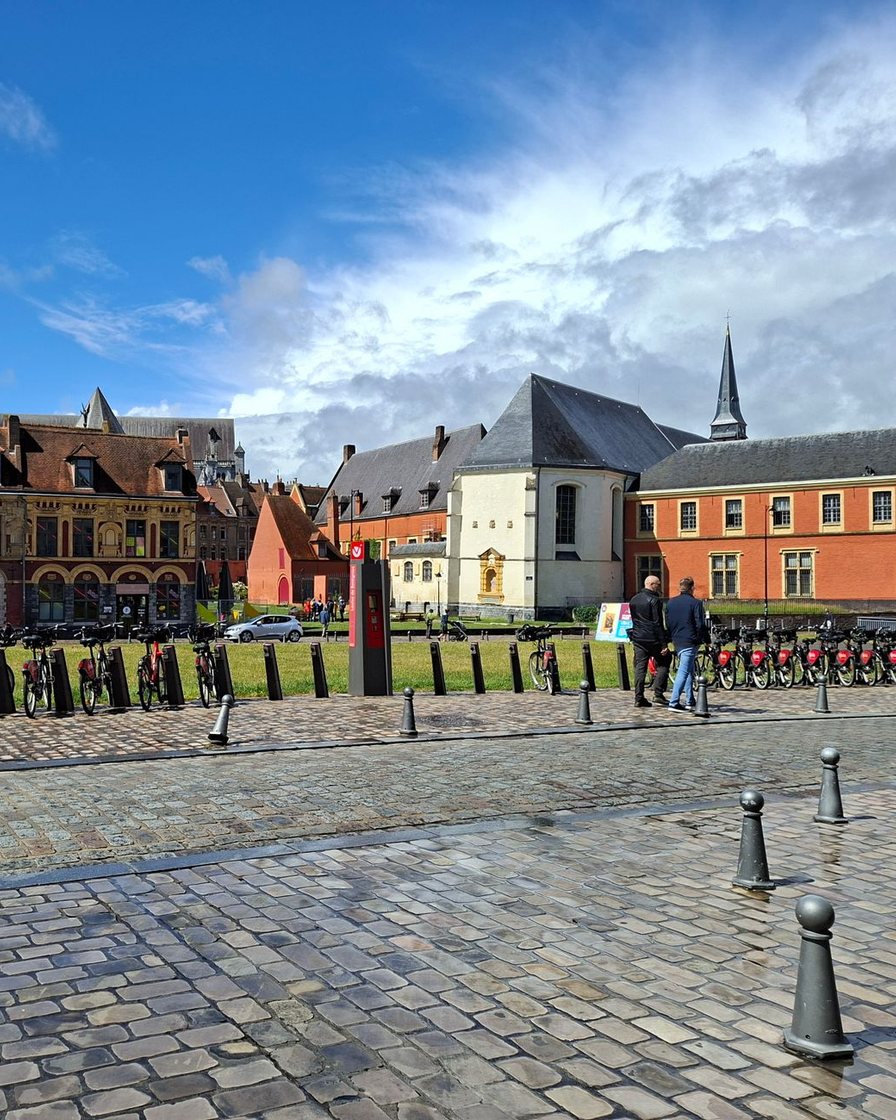
For cycling, the 7-day V'lille pass costs €7.80 and the annual subscription €40.50, prices recorded after the 2024 increase. V'lille is included in some ongoing passes but never in all of them: that is the most common confusion.
The trade-off worth making: sleeping ten minutes' walk from the Grand'Place often costs less than an out-of-town hotel plus two transport passes per person per day. Compare the two before you book.
See Lille hotels on Booking.com → Partner link: booking through it supports the site at no extra cost to you.What happens on the network during the Braderie?
The arrangements are spectacular and well documented. The metro runs non-stop from 5am on Saturday to 12:30am on Sunday, with a train every 90 seconds to 2 minutes on Saturday during the day.
The tram also runs continuously all weekend. On the other hand, no bus crosses the perimeter from Friday to Sunday: some Lianes are reinforced and diverted, the others are suspended.
The practical consequence: on Braderie weekend, the metro and the tram are the only two reliable options. Road access is covered on our map of Lille page.
What does the operator not publish?
Four blind spots stand out from the sources. The scale of fines for travelling without a ticket or without validating it appears in no fares document we could access.
The accepted means of payment are not listed precisely: nothing on non-European cards, nothing on international mobile payment, which matters if you pay with a UK card or phone. Nor is there a clear list of free travel entitlements, although reduced-income fares go as low as €3.50 a month for residents of the metropolitan area.
Finally, consolidated timetables do not exist as a public table: you have to read them line by line. We go into this on our page about the Lille transport map, and the park and ride sites that give access to the network are covered in park and ride in Lille.
A stay without any transport ticket is still possible in Lille: the centre can be crossed on foot in about fifteen minutes. It is one more reason to look at location before price, and you can spot hotels near a metro station on Booking.com.
Sources: actu.fr and Le Bonbon (new ilévia fares, August 2026), Ma Vie Lilloise (2026 metro guide, 2025 fares), ilévia fares guide 2024, ilevia.fr, Ecla (ilévia passes 2026), lillemetropole.fr (social fares), transport.data.gouv.fr (ilévia dataset, 2026), La Voix du Nord and Metropolys (transport during the Braderie, 2024), transportmel.fr.
The fares on this page live in our facts table and are checked again whenever the fares change.
Frequently asked questions
How much is a metro ticket in Lille?
Which ticket should you buy for a weekend in Lille?
Why do you still see the €1.80 ticket online?
Is the Lille network wheelchair accessible?

Margaux Delobel
Margaux spent five years on the front desk of a hotel in the city centre, where she answered the same questions about parking and the tram ten times a day. She writes the pages she wishes she could have handed to her guests. She checks every fare on the operator's website, never in a guidebook.
.JPG)
